Joinery is the craft of designing, cutting and assembling wood and wood-based panels into precisely fitted furniture, cabinetry and interior woodwork, made to measure for one particular space rather than mass-produced. It typically happens in a workshop, using techniques such as jointing, veneering and cabinet construction, and covers everything from a fitted kitchen to a run of wardrobes or panelling.
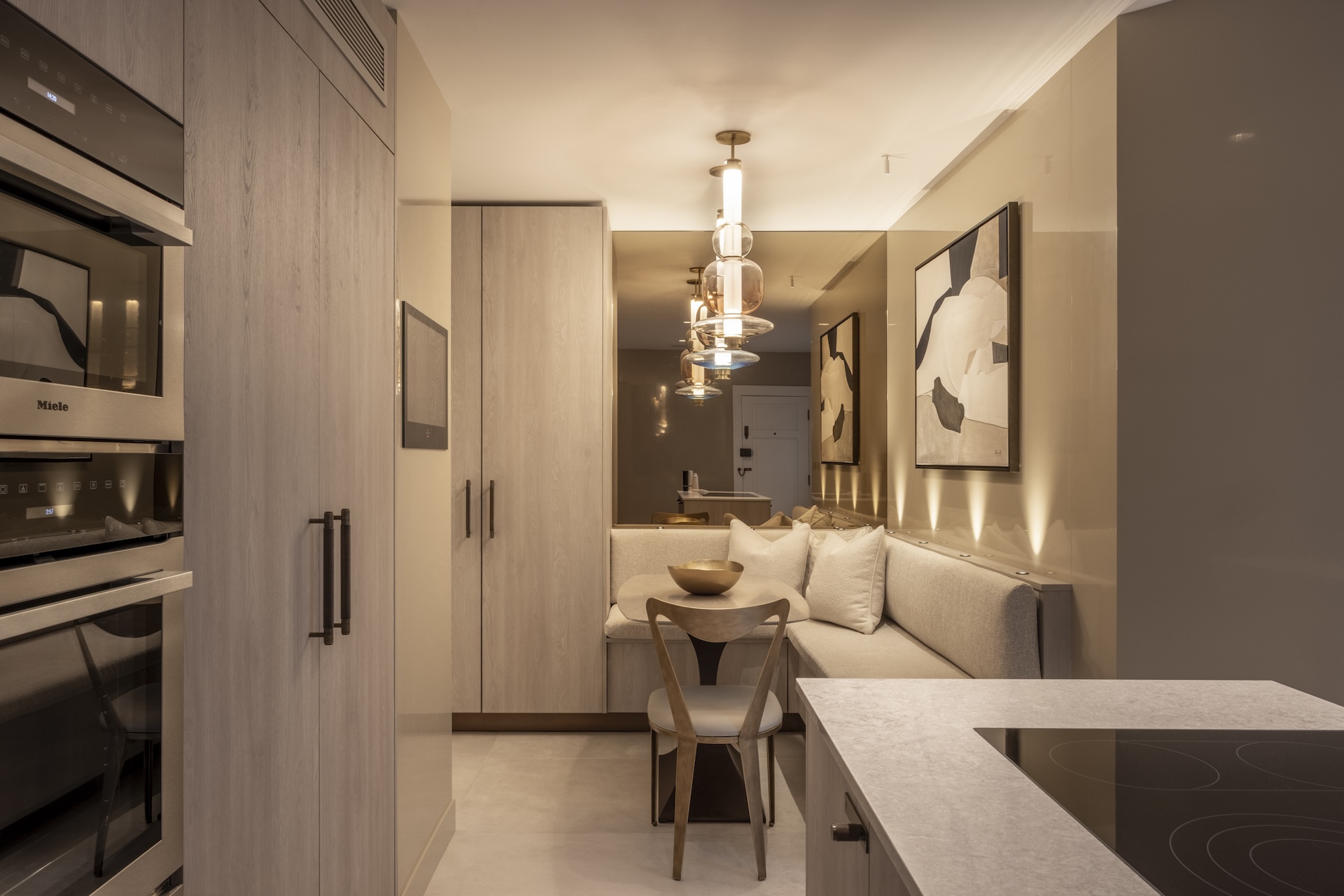
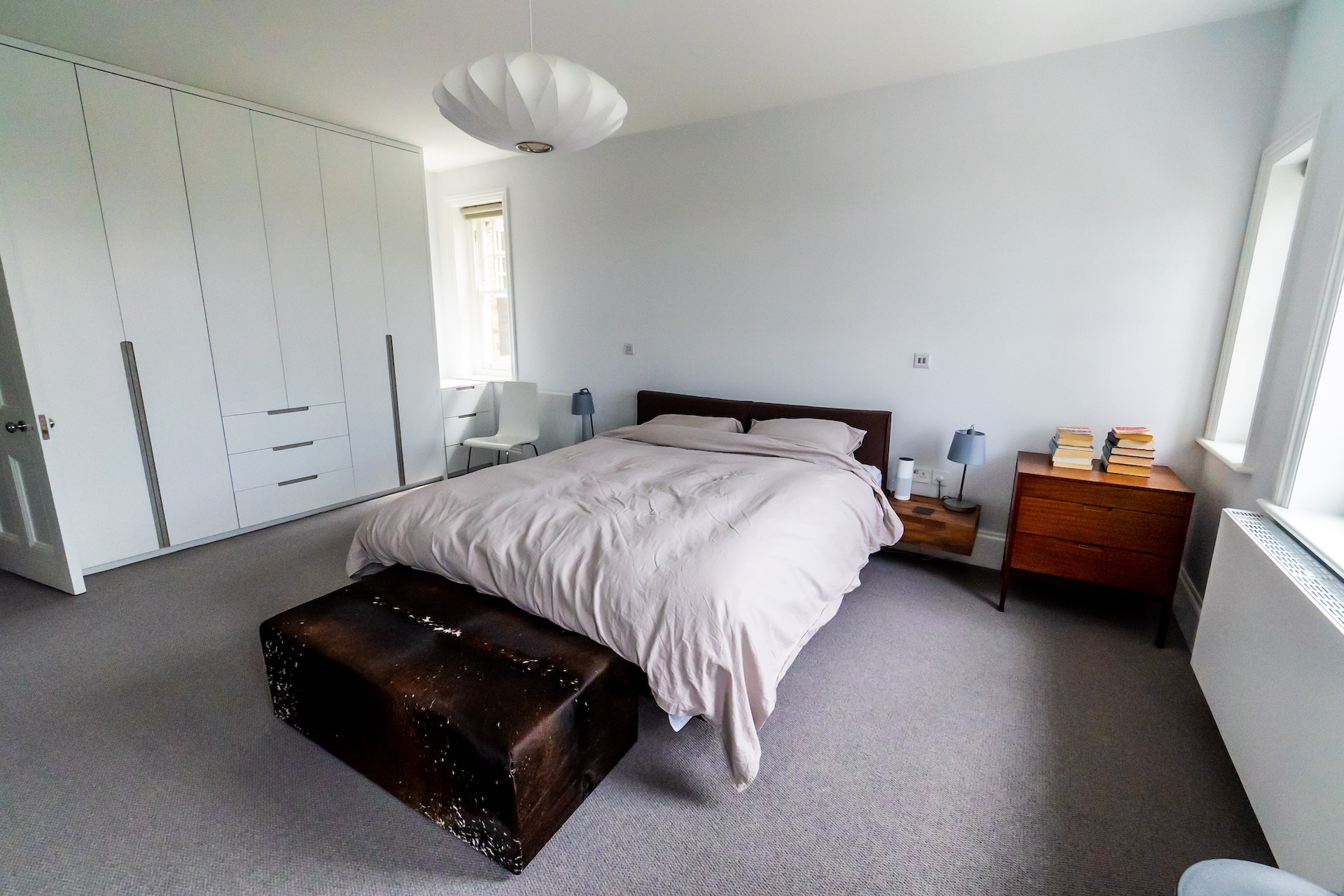
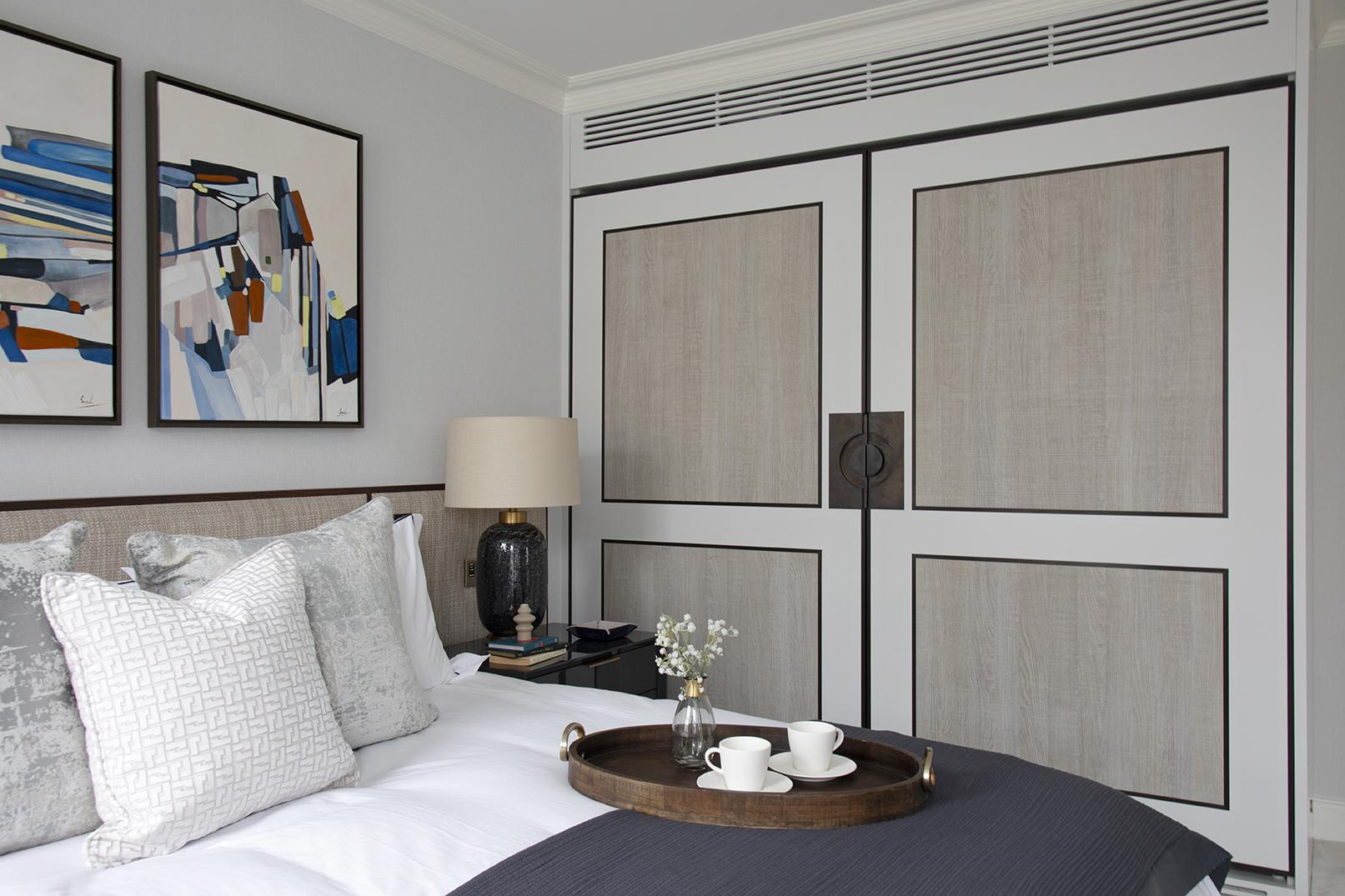
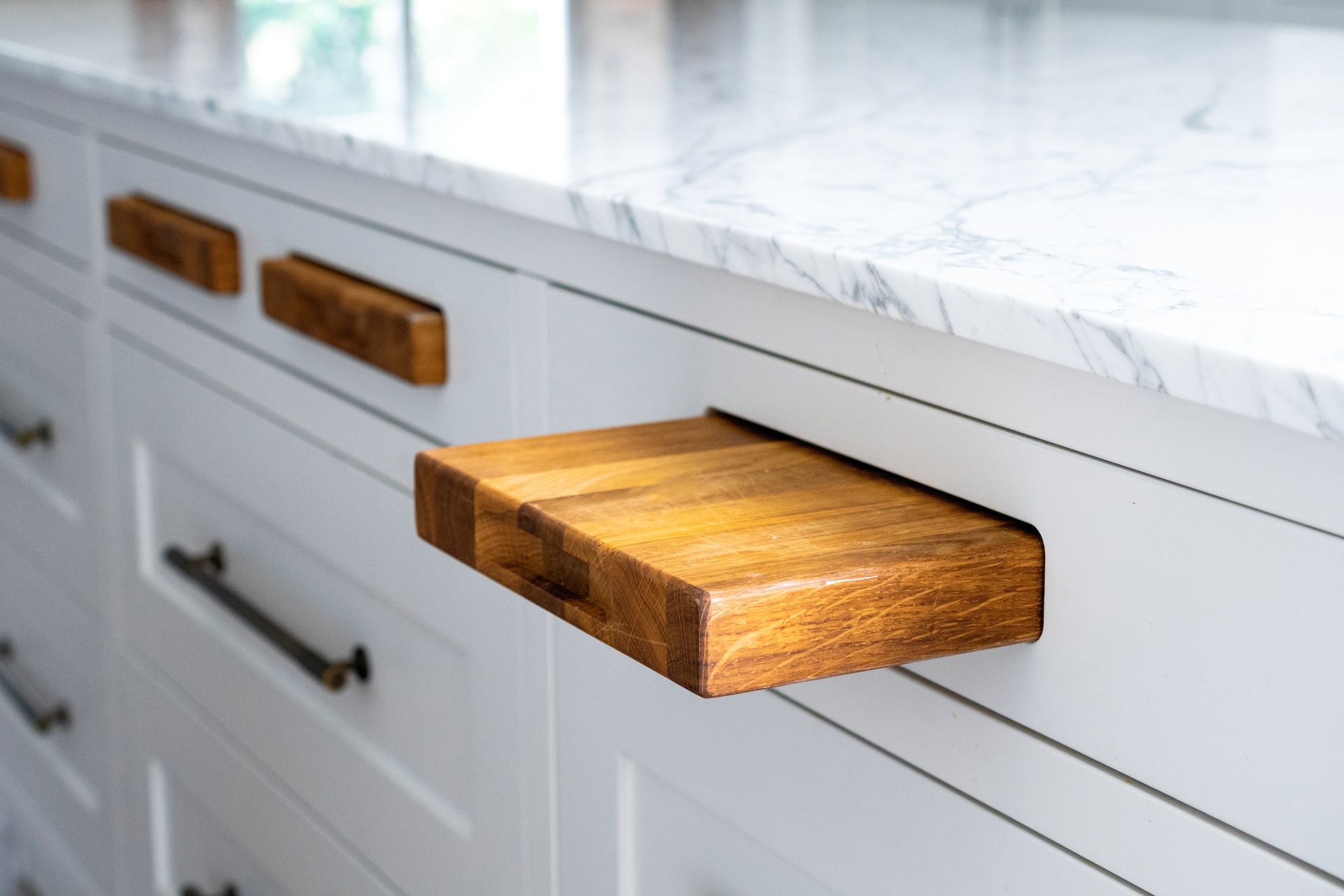
At Noba and Stod, joinery is the backbone of almost every project we take on, from a kitchen to a wall of fitted storage or a run of panelling. We design each piece around the real dimensions of a room rather than a standard cabinet width, and judge it on how well it fits: doors sitting flush, drawers running smoothly, grain lining up across a run of cabinetry.
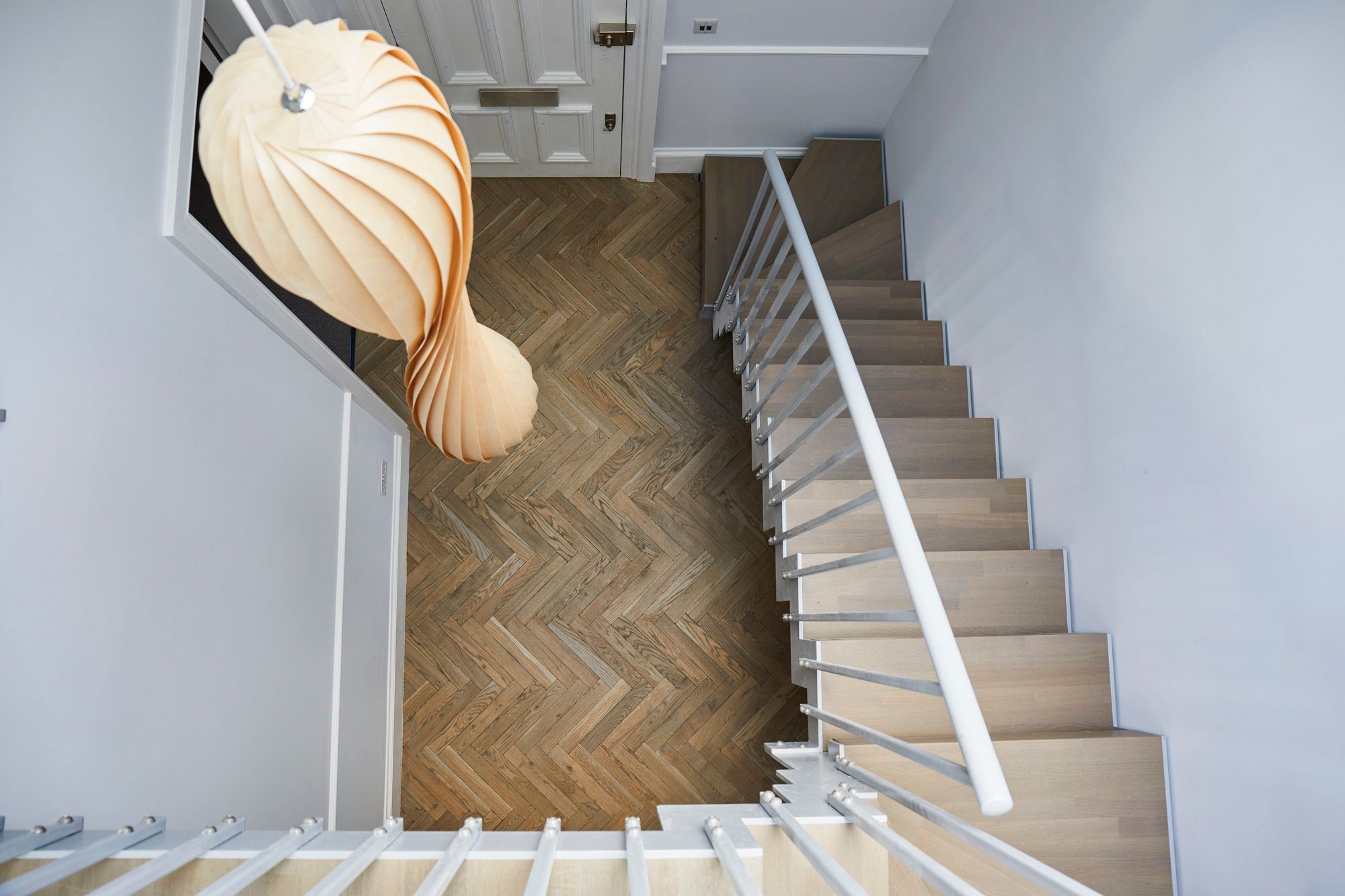
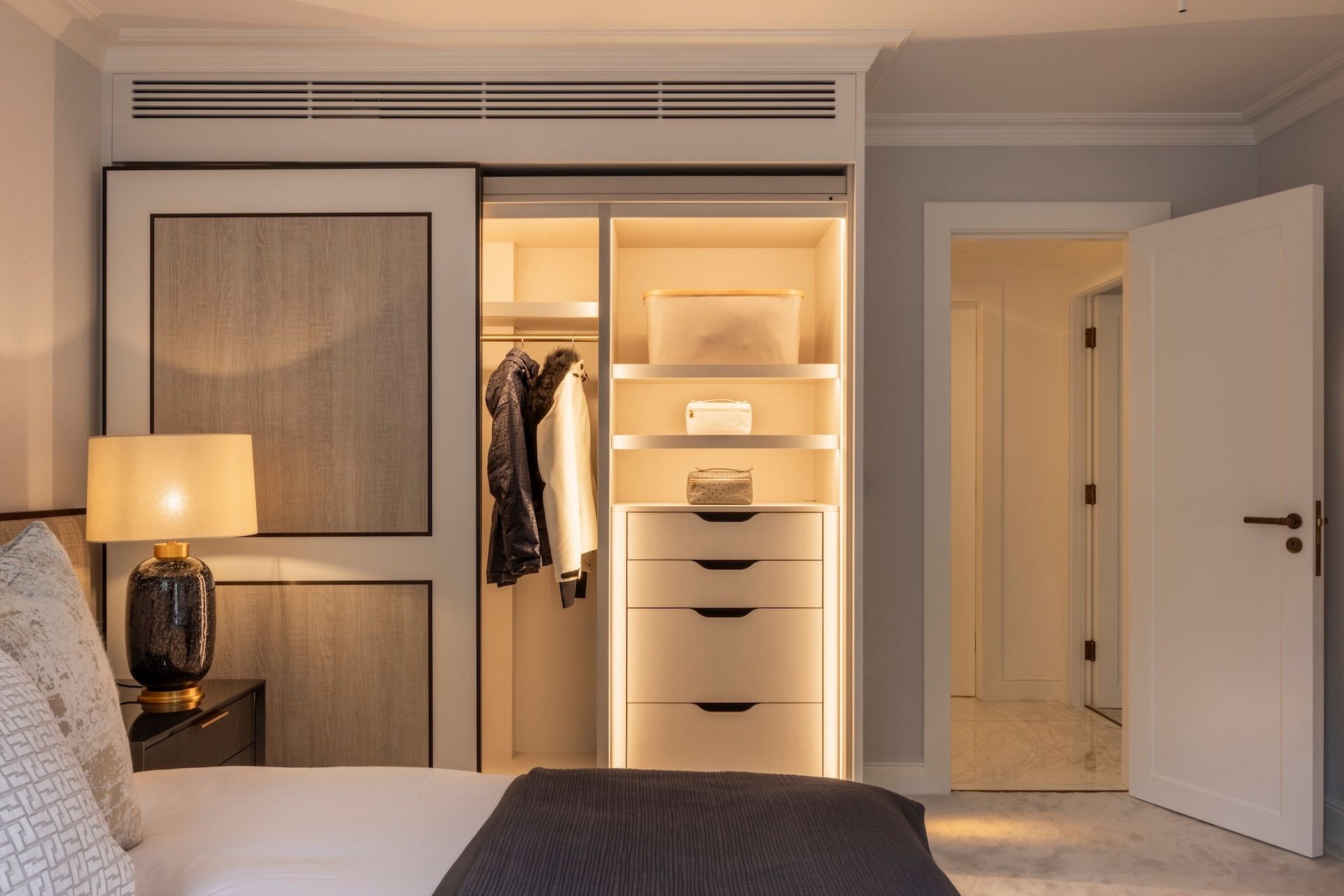
Joinery covers the design, manufacture and fitting of wooden items such as kitchens, wardrobes, staircases and panelling, produced in a workshop to fit one specific space. It differs from carpentry, which deals mainly with structural and on-site timber work such as roofing, stud walls and door hanging. Many joinery companies, including Noba and Stod, combine hand-cutting with CNC machinery depending on the piece and the level of detail it needs.
Joinery vs Carpentry
Joinery and carpentry are both wood trades, and the two terms are often used loosely, but they cover different work. Carpentry generally means structural and on-site timber work: framing a roof, building stud walls, fitting floor joists or hanging doors. Joinery means the manufacture of finished wooden items, usually made in a workshop and installed once complete: a kitchen, a run of fitted wardrobes, a staircase or a set of panelled walls. Where carpentry is about a building’s structure, joinery is about its fitted furniture and finishes.
| Carpentry | Joinery | |
|---|---|---|
| Typical work | Roofing, stud walls, floor joists, door hanging | Kitchens, wardrobes, staircases, panelling |
| Focus | Structure and building fabric | Fit, finish and fitted furniture |
Bench Joiner vs Site Carpenter
A bench joiner works mainly in a workshop, focused on accuracy: a drawer that runs smoothly, a door that closes without binding, a joint that stays tight for decades. A site carpenter spends most of their time on a building site, fixing timber in place to tighter deadlines. The two roles can overlap, but the core skills behind each are distinct.

Where Joinery Fits Into a Project
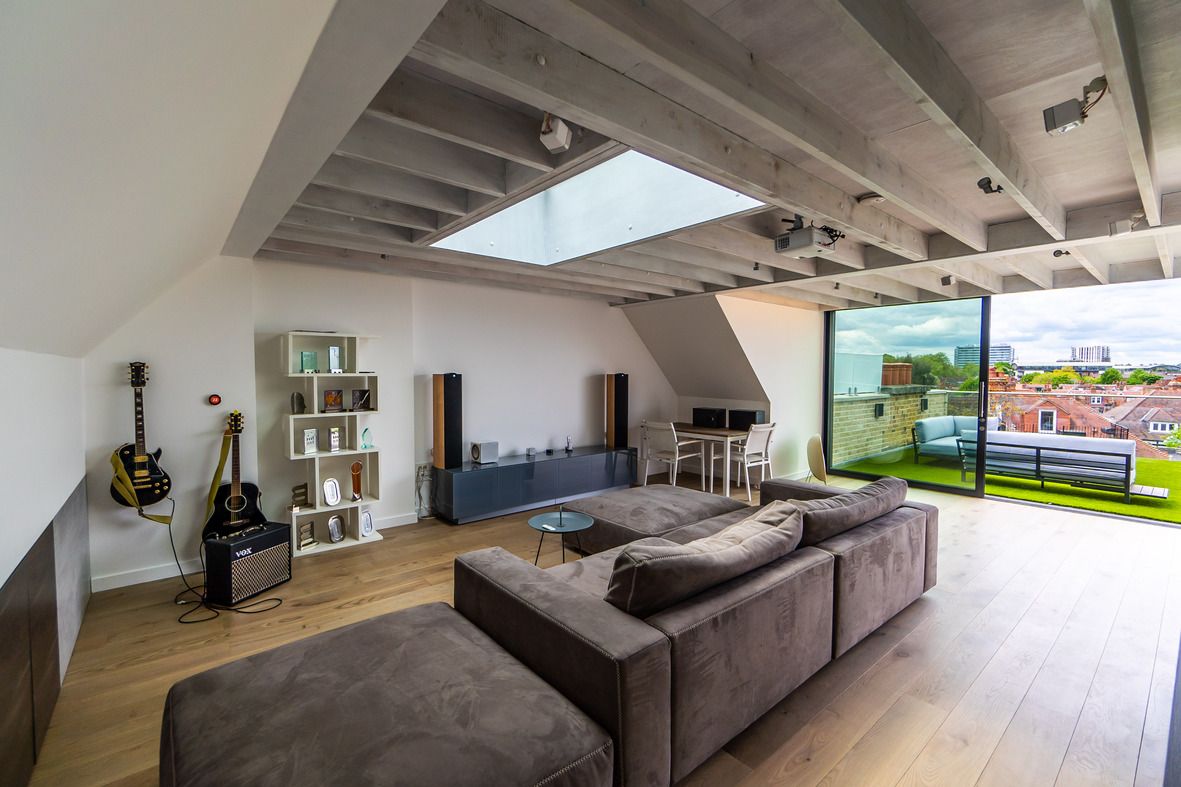
A loft conversion like this one in Chiswick needs both trades. Carpenters frame the roof structure and fit the rooflight, then joiners follow with any fitted storage or seating that finishes the space, which is why one dedicated team managing both stages helps.
Hand-Cut and CNC Joinery: How We Work
Joinery today is rarely purely one or the other. CNC machinery cuts panels and repeated components to a high tolerance and keeps costs sensible on larger runs, such as a kitchen’s worth of carcases. Hand-cutting and hand-fitting still matter most where a piece meets an existing, imperfect building, such as scribing a panel to an uneven wall. At Noba and Stod, we use CNC cutting for accuracy on the repeatable parts of a piece, and hand work where a fitter’s judgement matters most.
Related Terms
See Types of Wood Joints Explained for how components are held together, What Is MDF? and What Is Engineered Wood? for the panel materials joinery is built from, and Cabinet and Drawer Hardware Explained for the fittings that finish a piece.
Frequently Asked Questions
Do I need a joiner or a carpenter for my project?
If the work involves fitted furniture, cabinetry, staircases or panelling, that’s joinery. If it involves the building’s structure, such as stud walls or roof timbers, that’s carpentry. Many refurbishment projects need both, often from the same team.
Planning a project that involves fitted joinery? See our bespoke joinery service, or get in touch to talk it through.