Cabinetmaking is the branch of joinery focused on building cabinets, wardrobes and other case furniture: box-like structures with doors, drawers or shelving, made to a high standard of fit and finish. It centres on precise carcase construction, drawer-making and door hanging, rather than the architectural fittings, such as staircases or window frames, that the wider joinery trade also covers.
At Noba and Stod, cabinetmaking is the skill our work is built around. Kitchens, wardrobes and freestanding furniture all come down to the same fundamentals: a square, stable carcase, doors and drawers that align correctly, and joints that hold their shape over years of daily use. We design and build every carcase specifically for the piece it belongs to, rather than adapting one generic cabinet box to fit several different uses.
Cabinetmaking is the craft of constructing case furniture, meaning cabinets, wardrobes, kitchen units and similar box-like pieces, from individual boards and panels built to close tolerances so doors, drawers and shelving all sit correctly. It is a specialism within the wider joinery trade, which also covers items such as staircases, window frames and architectural panelling. A cabinetmaker’s core skills are carcase construction, drawer-making and door hanging, along with the material knowledge to choose an appropriate board, such as MDF, plywood or a solid timber, for a given piece.
Cabinetmaking vs General Joinery
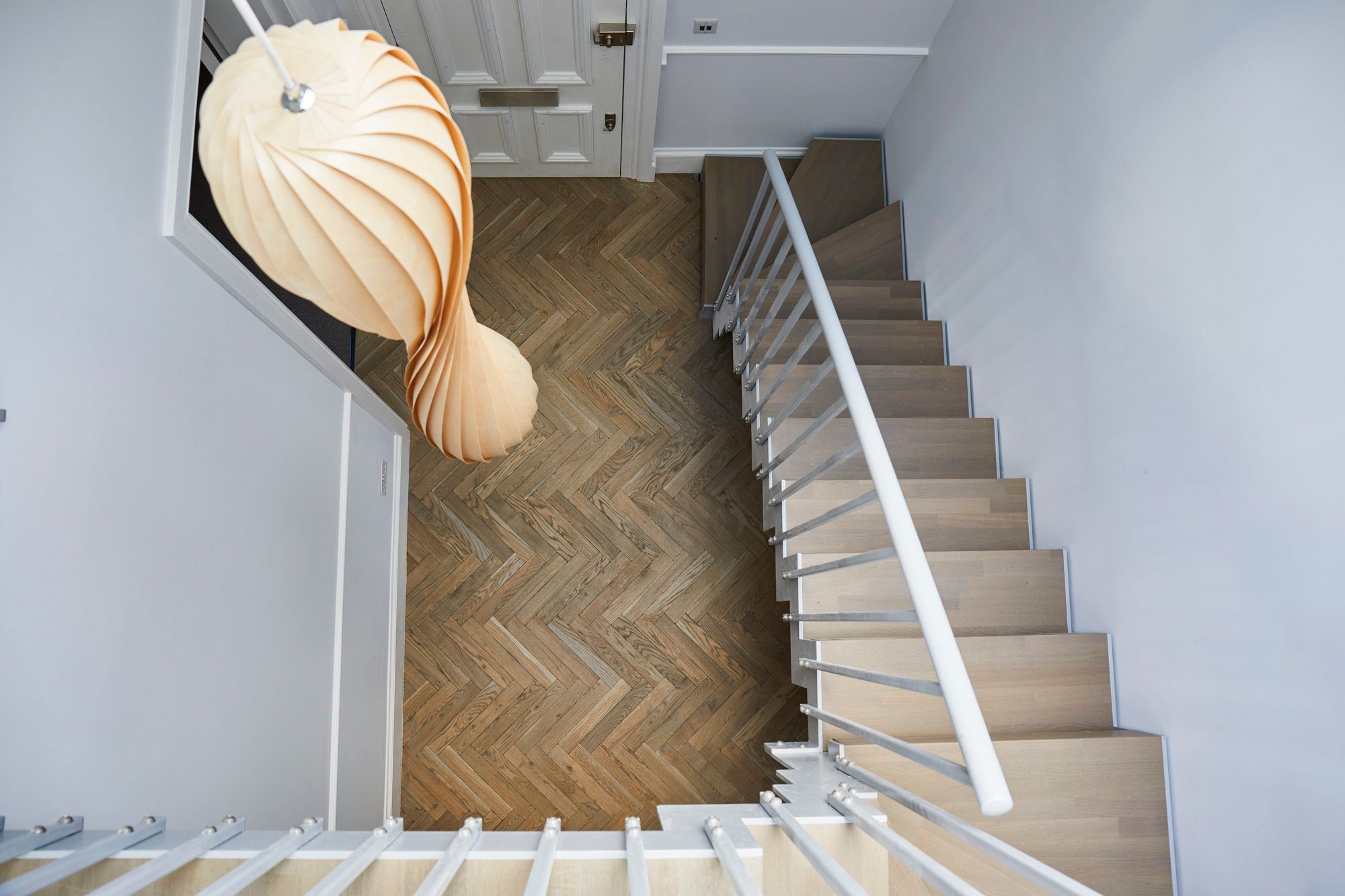
All cabinetmaking is joinery, but not all joinery is cabinetmaking. Joinery is the broader trade and includes items with no box or carcase at all, such as staircases and window frames. Cabinetmaking is the part of that trade concerned specifically with case furniture: any piece built around an internal cavity, whether that holds shelves, drawers, hanging space or kitchen equipment. A company that describes itself as cabinetmaking-led is telling you its core strength is furniture and case goods specifically, rather than architectural joinery in general.
What a Cabinetmaker Actually Builds
Almost anything with an internal carcase falls under cabinetmaking, from a full fitted kitchen down to a single alcove bookcase.
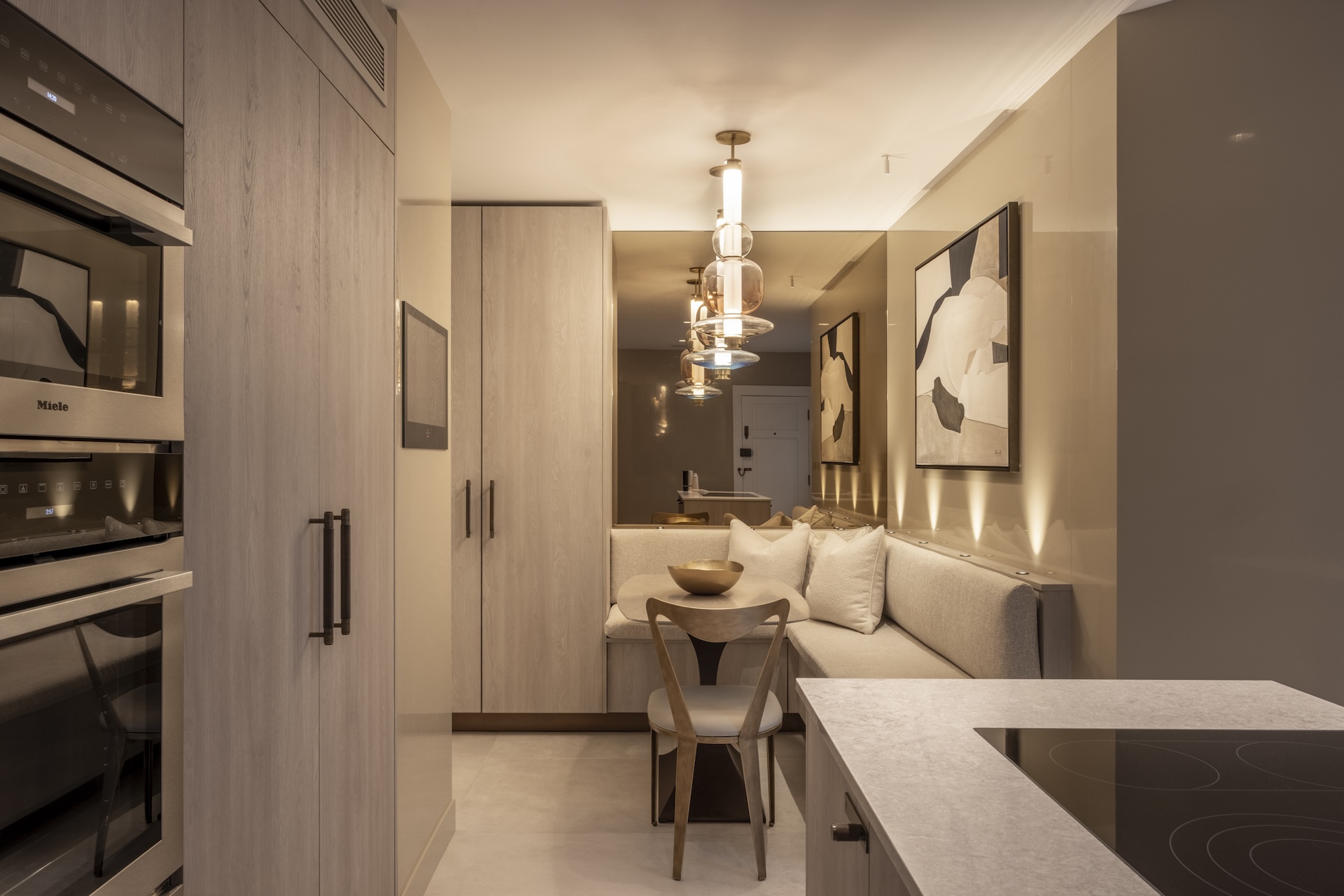
Kitchen cabinetry
The carcases, doors and drawer boxes that make up a fitted kitchen.
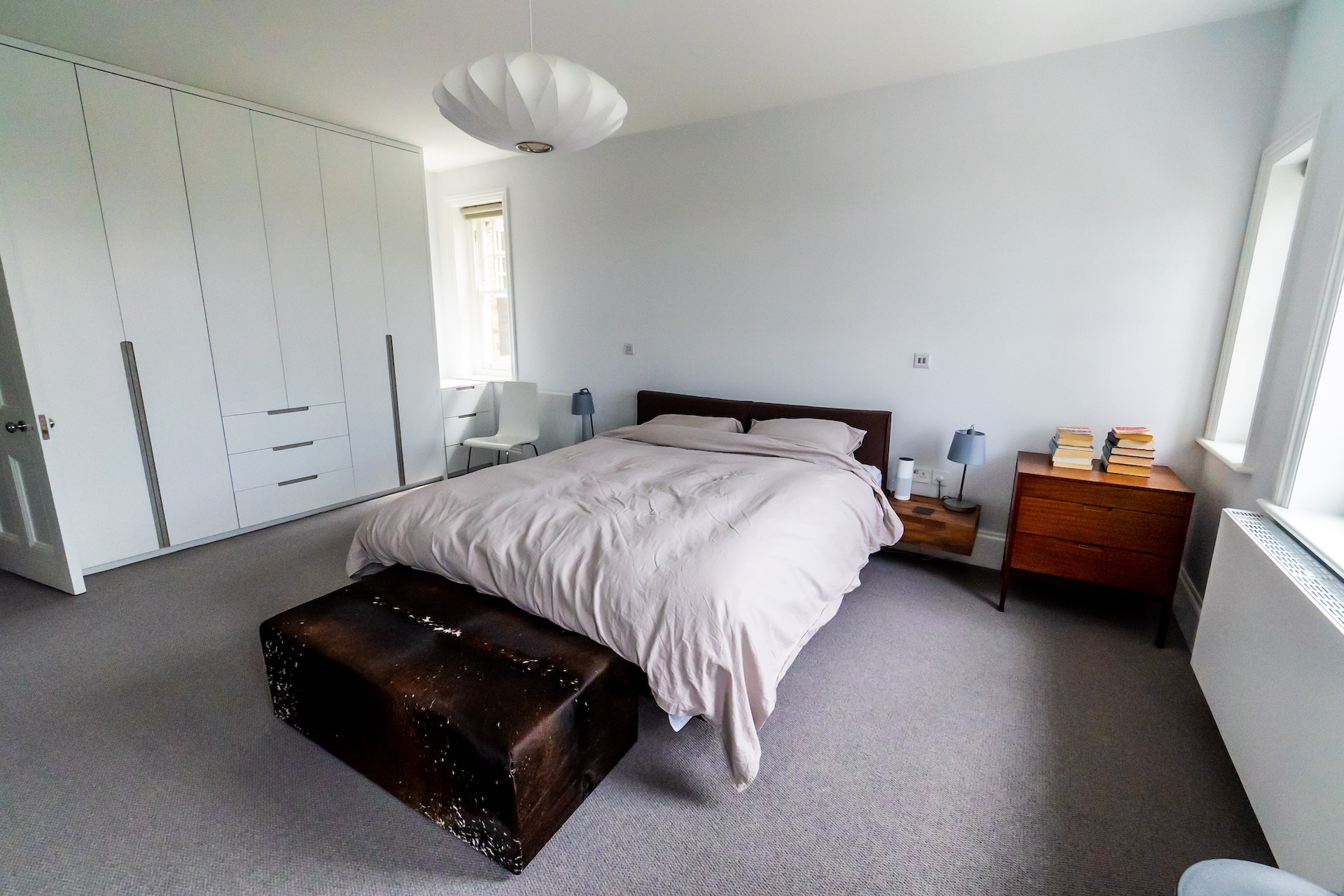
Fitted wardrobes
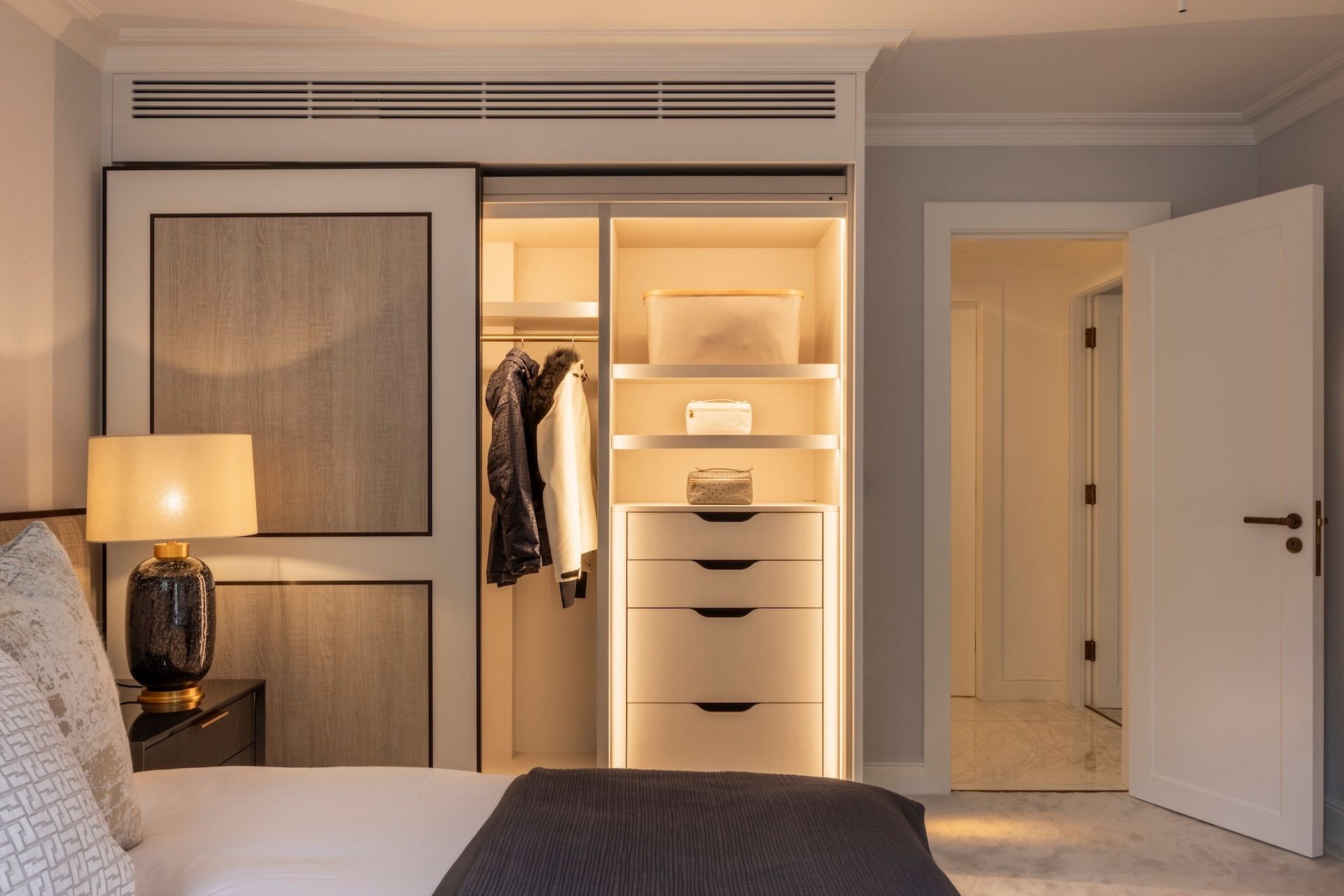
Wardrobes and storage built into an alcove or along a wall, using the space’s actual dimensions.
Bookcases and shelving
Fixed or fitted shelving units, often built around a chimney breast.
Freestanding case furniture
Chests, sideboards and cabinets built as standalone pieces.

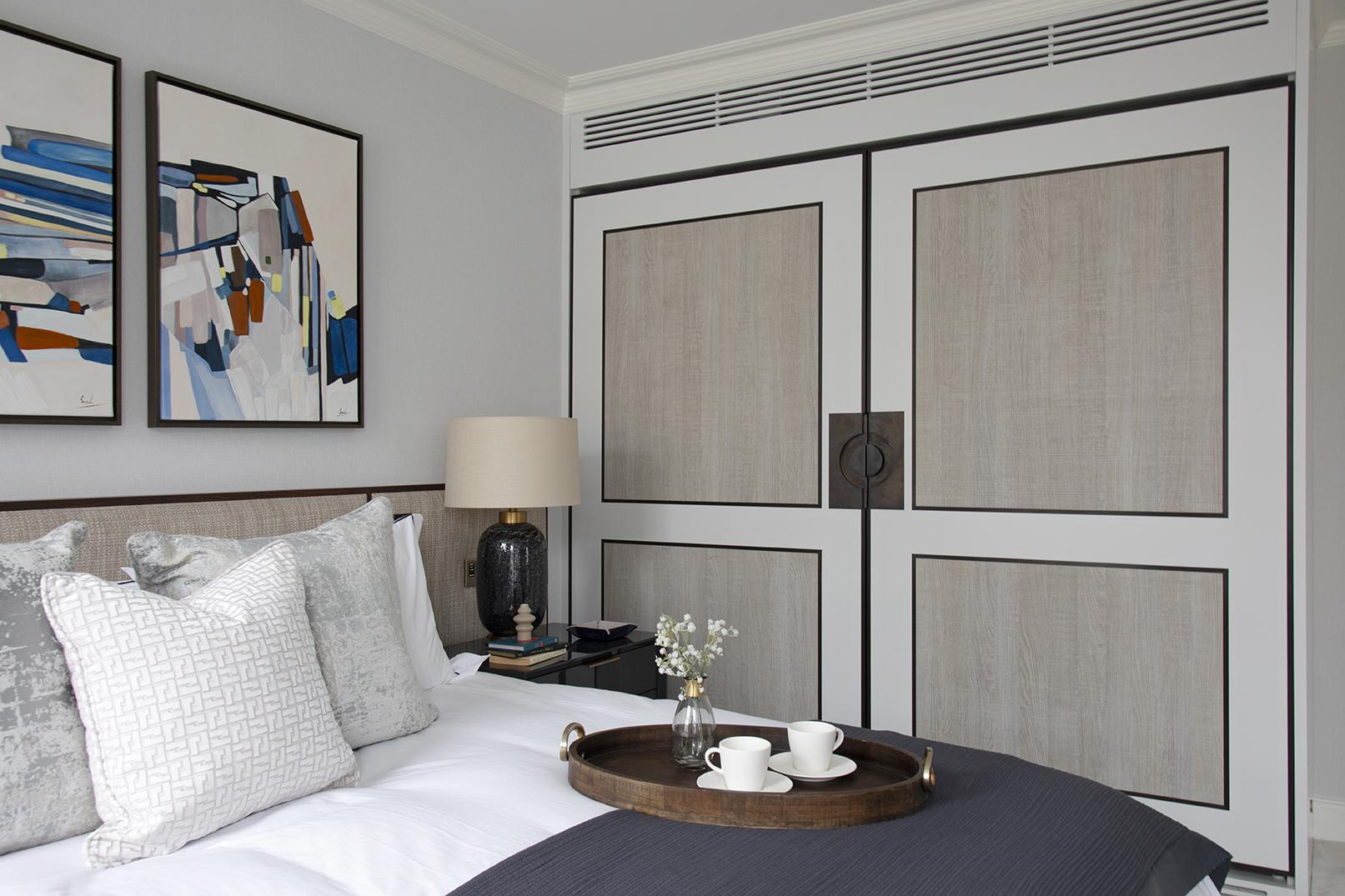
Detail Is Where Cabinetmaking Shows
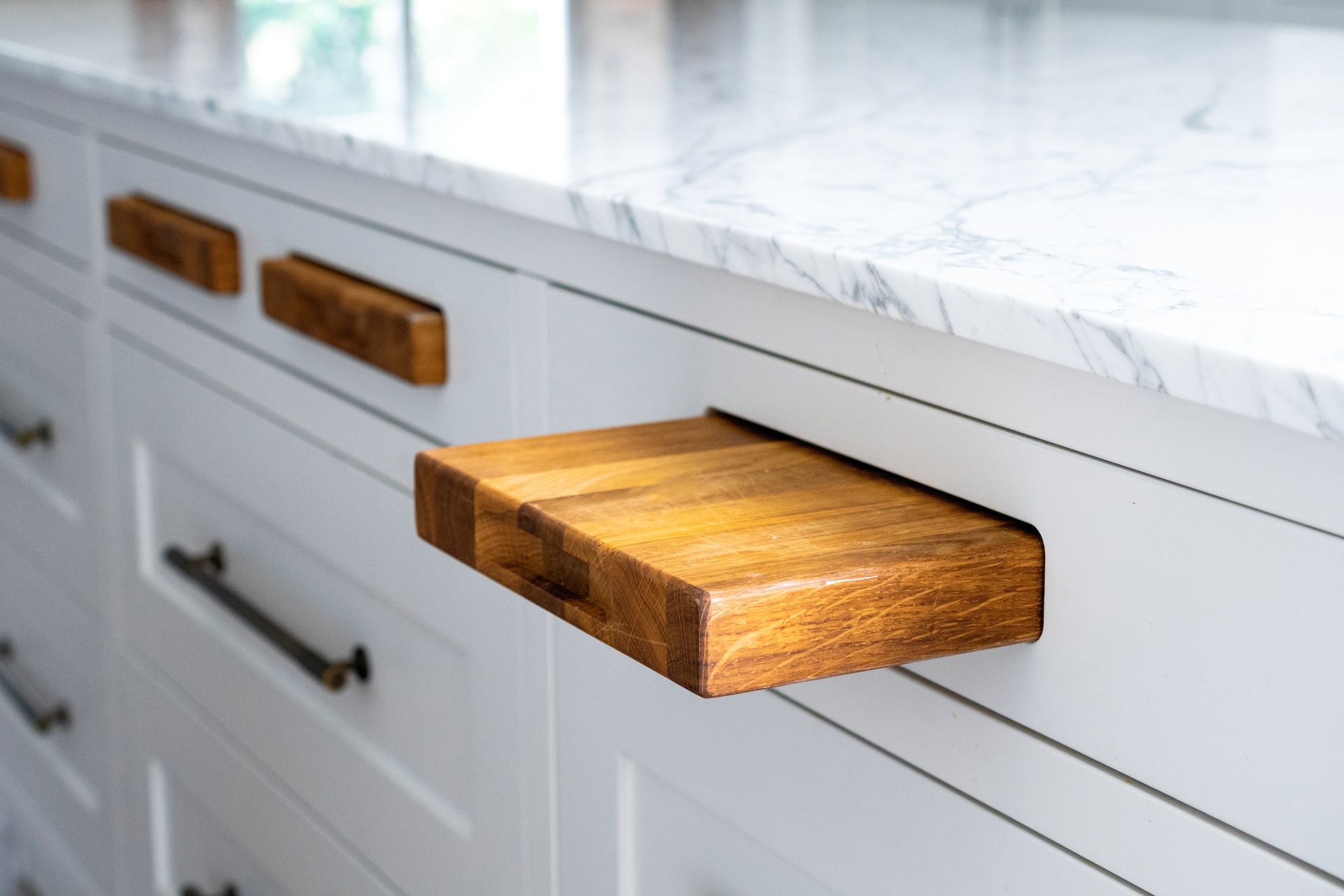
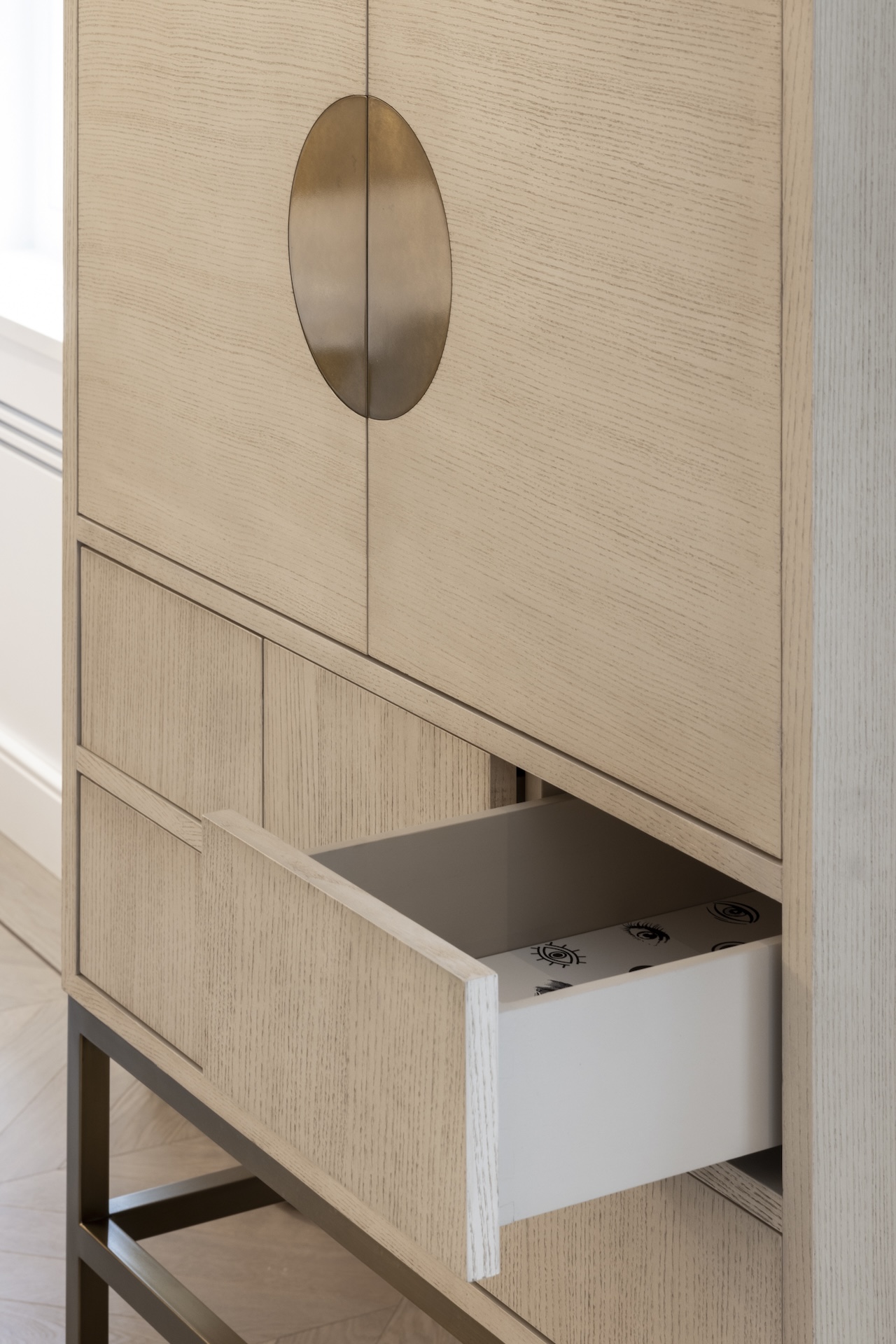
This kind of close-up detail, a veneer door front, a considered handle, is where cabinetmaking is judged. Building a box is the easy part; the craft is in how the door sits against the frame.
Why Noba and Stod Is Cabinetmaking-Led
We describe ourselves as cabinetmaking-led because case furniture, kitchens, wardrobes and storage, is the majority of what we design and build. That focus shapes how we work: we hold our own carcase and drawer-box standards, specify hardware to suit how a piece will actually be used, and choose premium materials, such as birch plywood, MDF or a solid timber, depending on the piece and budget.
Related Terms
See What Is a Kitchen Carcase? for the box structure behind a fitted kitchen, What Is a Fitted Wardrobe? for how the same principles apply to storage, What Is Veneer? for a common cabinetmaking material, and Cabinet and Drawer Hardware Explained for the fittings that finish a piece.
Frequently Asked Questions
Is a cabinetmaker the same as a carpenter?
No. A cabinetmaker builds case furniture such as cabinets and wardrobes, usually in a workshop. A carpenter typically works on a building’s structural timber, on site.
Planning a project that needs cabinetmaking, from a kitchen to a run of fitted wardrobes? See our bespoke joinery service, or get in touch to talk it through.