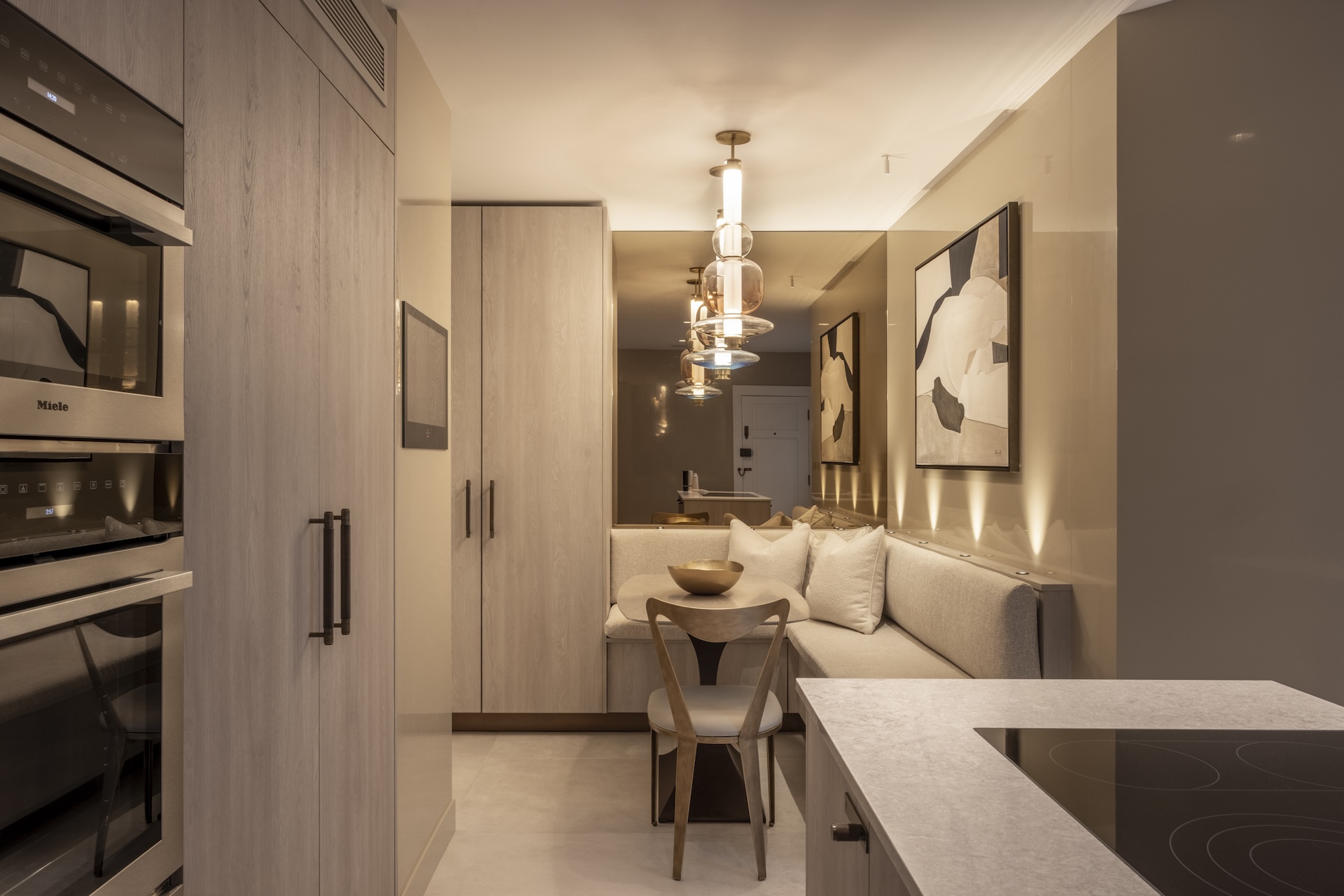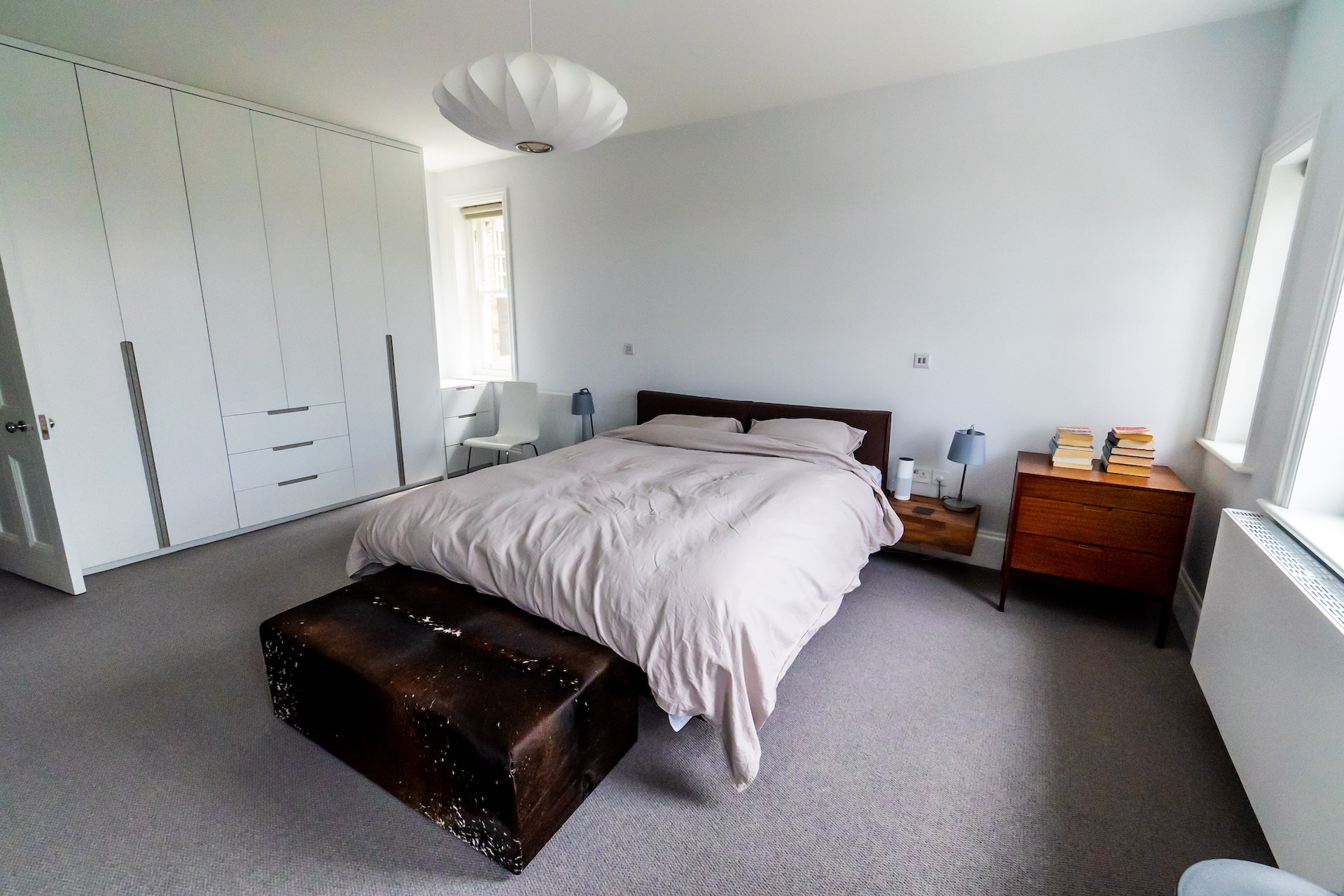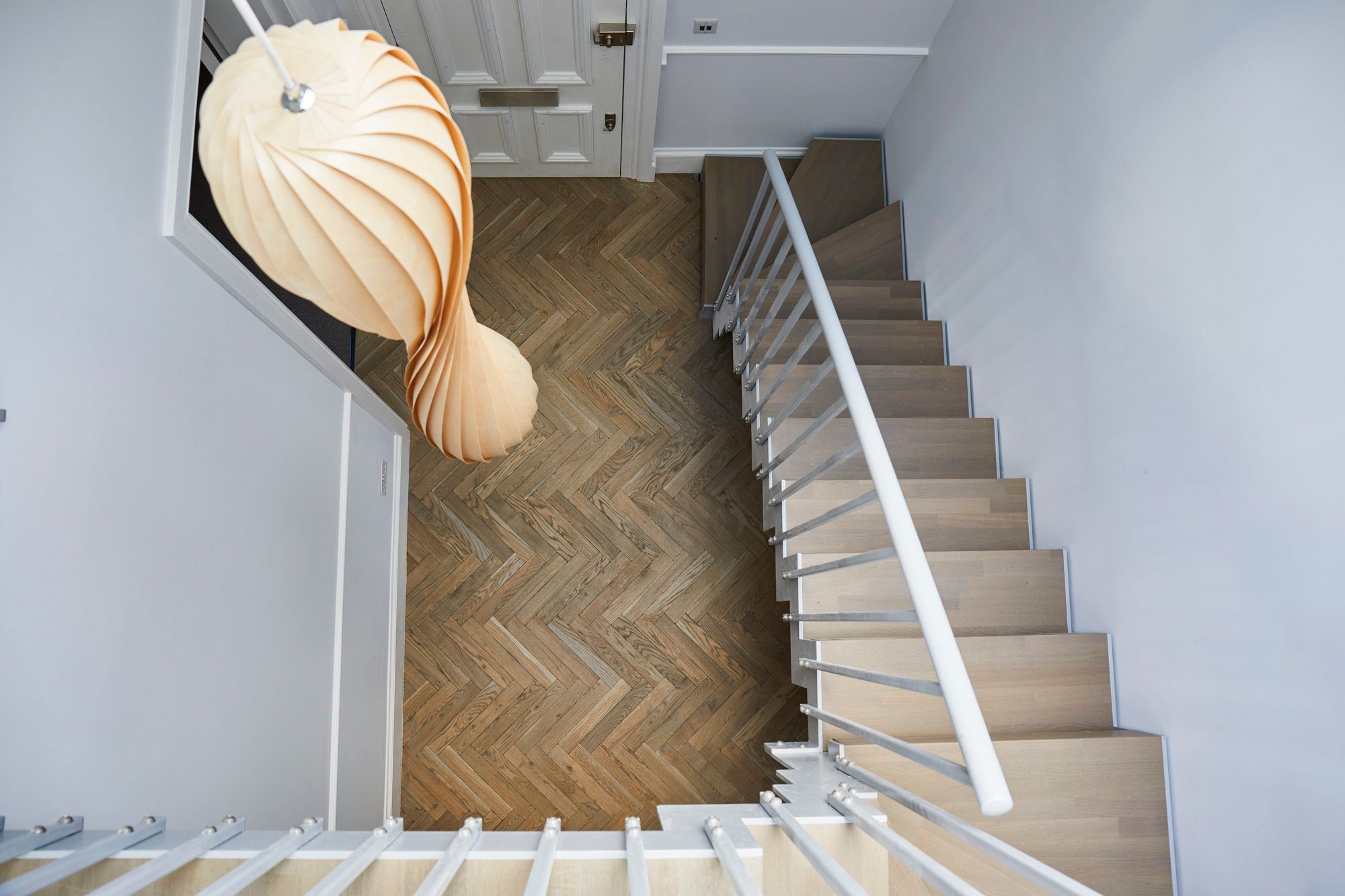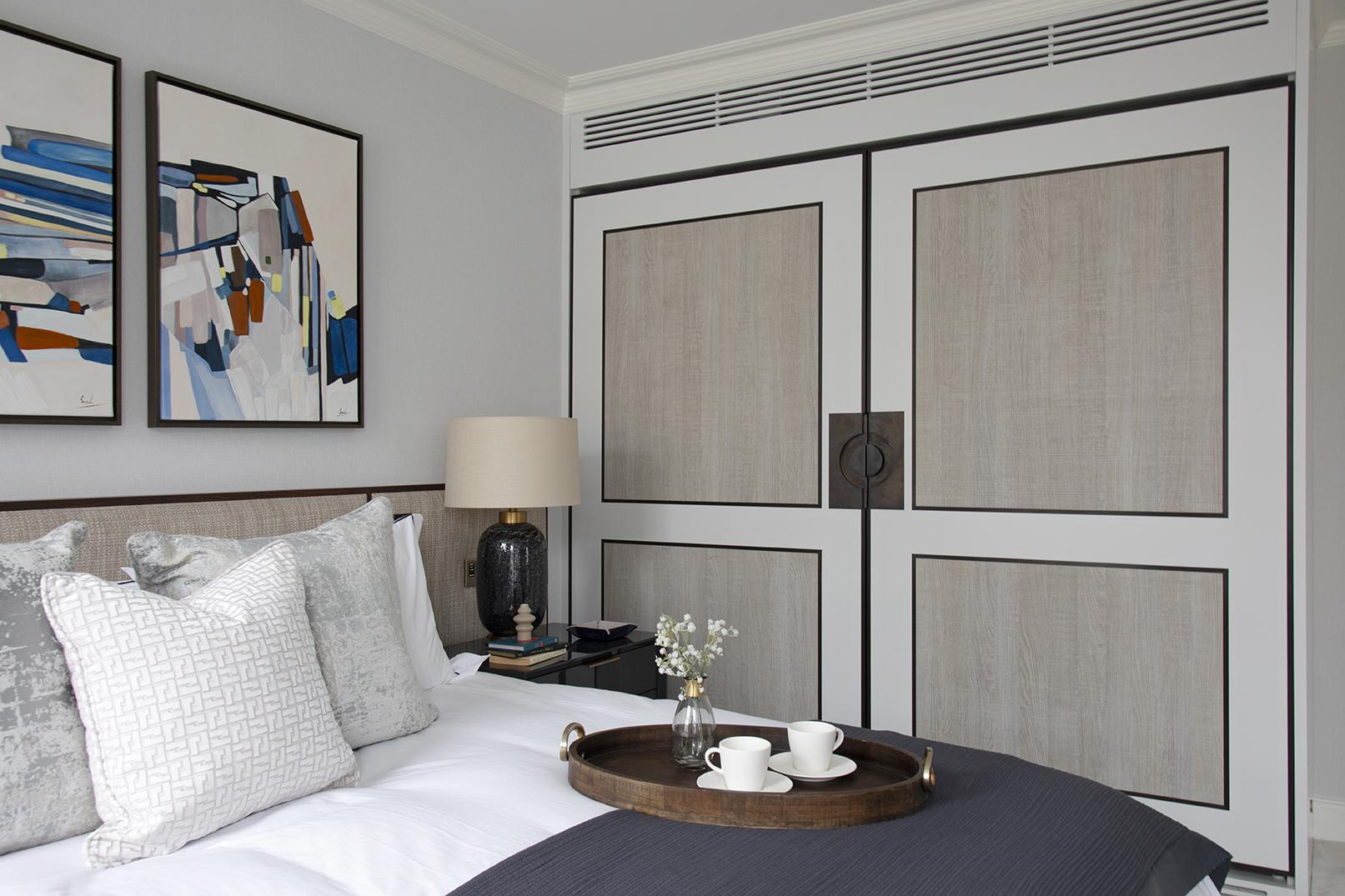
Panelling is the general term for decorative timber cladding fitted to a wall, covering everything from low wainscoting at dado-rail height to full-height feature walls, and it can be built in period profiles such as raised and fielded panels or in flat, minimalist styles to suit a contemporary interior.
It is the word we hear most often from clients first getting in touch, usually before they have settled on a particular look. That is the right order to do it in: panelling is a category, not a single design, so the more useful conversation is about the room, the mood you want and the budget, and the specific style follows from that.
Panelling is an umbrella term for any decorative timber wall treatment, from low wainscoting or dado panelling finishing at chair-back height, to shaker-style flat panel walls, to full-height tongue and groove or feature panelling used as a statement wall. Height, profile and material vary hugely by room, period and budget, which is why it is worth looking at real examples and current costs by room type rather than a single general figure.
Styles and Costs, by Room
Because “panelling” covers such a wide range, from a simple painted dado in a hallway to a full wall of fluted, illuminated joinery in a living room, the right style and the likely cost depend entirely on the room and the effect you are after. For ideas by room and 2026 UK costs, see our wall panelling ideas and cost guide, which we keep updated rather than repeating figures here that go out of date.
Related Terms
See also Skirting Board, Architrave and Cornice, the mouldings most often specified alongside a panelling scheme.
Planning a project that involves this? See our wall panelling service, or get in touch to talk it through.